Answers to common questions about construction site water treatment, dewatering, sediment control, runoff management and environmental compliance.
Construction sites generate runoff and wastewater that may contain sediments, metals, oils and chemical residues. Treatment helps prevent contaminated water from entering stormwater systems, waterways or groundwater and supports environmental compliance.
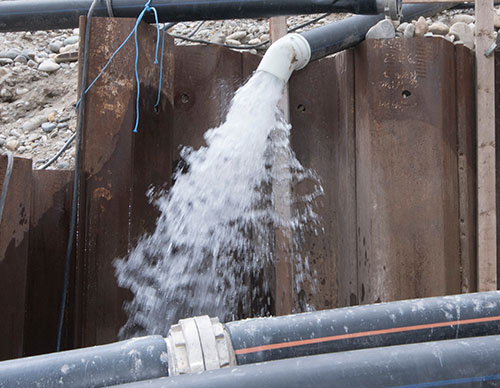
Construction dewatering is the process of removing groundwater, rainwater or surface water from excavation areas, trenches and work zones. Dewatering systems may require pumps, filtration, sediment control and treatment before water is discharged.
Construction runoff may contain sediments, suspended solids, oils, metals, concrete washout residues, hydrocarbons and other site-related contaminants. These contaminants often require filtration, sedimentation or chemical treatment before discharge.
Construction wastewater may be treated using sedimentation, filtration, pH correction, chemical dosing, oil separation and sludge handling. The treatment approach depends on water quality, site conditions, discharge requirements and the volume of water being managed.
Runoff management is important because it prevents sediment and contaminants from polluting nearby waterways, stormwater drains and surrounding ecosystems. A well-managed system supports compliance and reduces environmental risk during construction activities.